
Being told you have an eye condition, or worrying that you might can feel overwhelming. At Dr. Yolanda Bogarin & Associates, we help patients manage eye diseases in Doral through careful monitoring, clear communication, and advanced technology designed to protect long-term vision.
Eye Disease Management in Doral
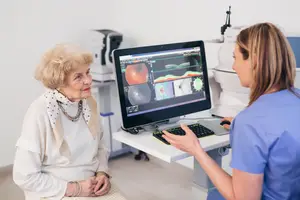
We Offer Ongoing Care for Long-Term Eye Health
Many eye diseases develop slowly, often without early symptoms. Regular monitoring allows us to detect changes when treatment is most effective. Whether you’ve been newly diagnosed or have managed your eye condition for years, we create a plan focused on your vision, comfort, and overall health.
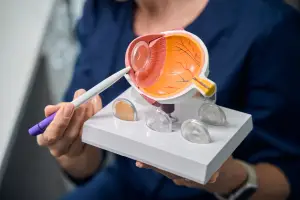
Our approach includes:
-
Detailed evaluations to track how your eyes respond to treatment and lifestyle changes
-
Routine imaging and testing to identify small changes early
-
Education and guidance to help you understand your diagnosis and treatment options
-
Collaborative care with ophthalmologists and specialists when advanced procedures are needed
Each visit is an opportunity to review progress, answer questions, and update your care plan as needed
Patients Who Benefit From Eye Disease Management
You don’t have to wait for symptoms to prioritize your eye health. Ongoing management is especially helpful if you:
-
Have diabetes, high blood pressure, or a family history of eye disease
-
Are over 60 and noticing changes in vision or light sensitivity
-
Experience frequent dryness, irritation, or fluctuating vision
-
Have been diagnosed with glaucoma, macular degeneration, or another chronic eye condition
-
Take medications that can affect the eyes
If you’re unsure whether you need medical eye care, we can help you start with a comprehensive eye exam to assess your current eye health.


What to Expect During Eye Disease Management
Your appointments will feel similar to a standard eye exam but include specialized testing focused on specific parts of the eye.
A typical visit may include:
-
Reviewing symptoms and visual changes
-
Measuring eye pressure and assessing optic nerve health
-
Taking retinal or macular images to track even minor changes
-
Discussing test results and how they relate to your condition
-
Adjusting your treatment plan as needed
We use modern imaging and diagnostic tools to measure changes precisely and comfortably. Most tests are non-invasive and performed in-office.
Insurance and Coverage
Eye disease management is typically covered by medical insurance, as it involves evaluating and monitoring diagnosed medical conditions rather than routine vision care. Coverage varies by plan and provider.
Before your appointment, our staff will verify your benefits and explain what to expect so you can focus on your care.

Eye Disease Management FAQ
Some conditions can be treated or controlled, while others require ongoing monitoring. Early detection and consistent care are key to protecting vision.
Most testing and management can be done in our office. We collaborate with trusted ophthalmologists for advanced or surgical care when necessary.
Frequency depends on your diagnosis and stability. We’ll create a schedule that fits your condition and adjust it as needed.
In many cases, yes. We’ll review what’s appropriate for your specific condition and comfort level.
Eye Conditions We Manage
Dry eye occurs when your eyes don’t produce enough tears or when tears evaporate too quickly, leading to irritation and discomfort.
Common symptoms include:
-
Dryness or burning sensation
-
Excessive tearing
-
Grittiness or the feeling of something in the eye
-
Blurred or fluctuating vision
-
Sensitivity to wind or air conditioning
Management may include lubricating eye drops, prescription anti-inflammatory medication, warm compresses, or in-office therapies to improve tear quality and comfort.
Diabetic eye disease refers to conditions caused by changes in the retinal blood vessels due to diabetes.
Common symptoms include:
-
Blurred or fluctuating vision
-
Floaters or dark spots in your vision
-
Difficulty seeing at night
-
Faded colors or sudden vision loss
Management focuses on regular eye exams for early detection, blood sugar control, retinal imaging, and targeted treatments such as medication or laser therapy to help prevent vision loss.
Glaucoma damages the optic nerve, often due to elevated eye pressure, and can lead to vision loss if left untreated.
Common symptoms include:
-
Gradual loss of side vision
-
Blurred or patchy areas in vision
-
Eye pressure or discomfort
-
Halos around lights
-
Headaches or nausea in advanced stages
Management includes regular pressure checks, optic nerve imaging, prescription eye drops, and when necessary, laser or surgical treatment to preserve vision.
Macular degeneration affects the central retina (macula), which is essential for detailed, straight-ahead vision.
Common symptoms include:
-
Blurred or distorted central vision
-
Difficulty reading or recognizing faces
-
Faded or dull colors
-
Needing brighter light for near work
-
Dark or empty spots in the center of vision
Treatment may include nutritional supplements, lifestyle changes, UV protection, or medical therapies such as retinal injections to slow progression and help preserve functional vision.
Take Control of Your Eye Health By Scheduling an Appointment
Living with an eye disease doesn’t have to feel uncertain. With regular monitoring and open communication, our team will help you understand your condition and protect your vision over time. Schedule an appointment at Dr. Yolanda Bogarin & Associates in Doral by calling (305) 594-9336 or requesting a visit online.